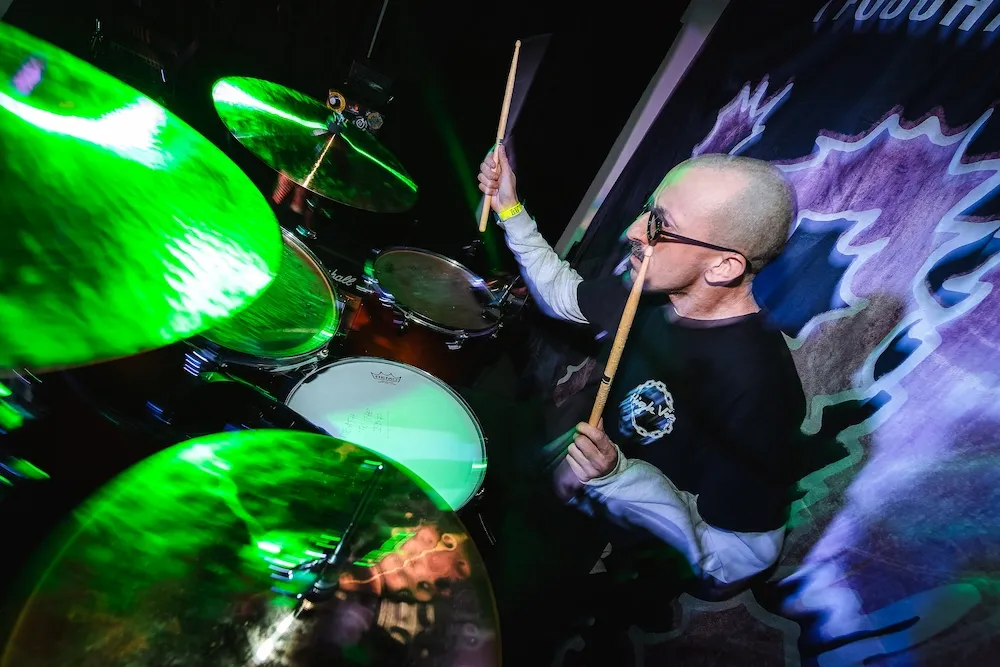

Ever since the release of their 2021 demo EP Declaração de Guerra dos Condenados da Terra (Declaration of War by the Wretched of the Earth), the Brazilian metallic hardcore outfit Clava has been on my radar. What fascinated me then, and continues to do, is their staunch anti-imperialist and decolonial messaging. The band is not shy in showing the influences of the black radical tradition and decolonial struggles in their music, making explicit references to the writings of the likes of Frantz Fanon (the title of their demo EP is in reference to Fanon's seminal work The Wretched of the Earth, the first track titled Peau Noire being a nod to his other, equally influential book, Black Skin White Masks) and Achille Mbembe (the title of the third track O Devir-Negro do Mundo - The Becoming Black of the World is in reference to Achille Mbembe's introduction for his book Critique of Black Reason). Their debut LP, Sudaméfrica, brings this messaging to the next level. In the opening title, Oeste, the band declares in a clear demonstration of solidarity to historic and current decolonial and anti-imperialist struggles all around the world:
"Do Haiti à Chiapas,
De Pinheirinhos à Havana,
Dos Quilombos à Rojava,
Floresta em marcha
Contra o etno-morticínio
Floresta em marcha
Toda terra é indígena"
-
"From Haiti to Chiapas,
From Pinheirinhos to Havana,
From the Quilombos to Rojava,
Forest on the march
Against ethnic cleansing
Forest on the march
All land is indigenous"
A fitting intro for an album that culminates in the title track, Sudaméfrica, an ode to the black and indigenous anti-colonial history in Latin America. I've always wanted to have a talk with the band about these topics, and I'm very happy to finally be able to share this interview with you.
Note: This interview was conducted in the summer of 2025.
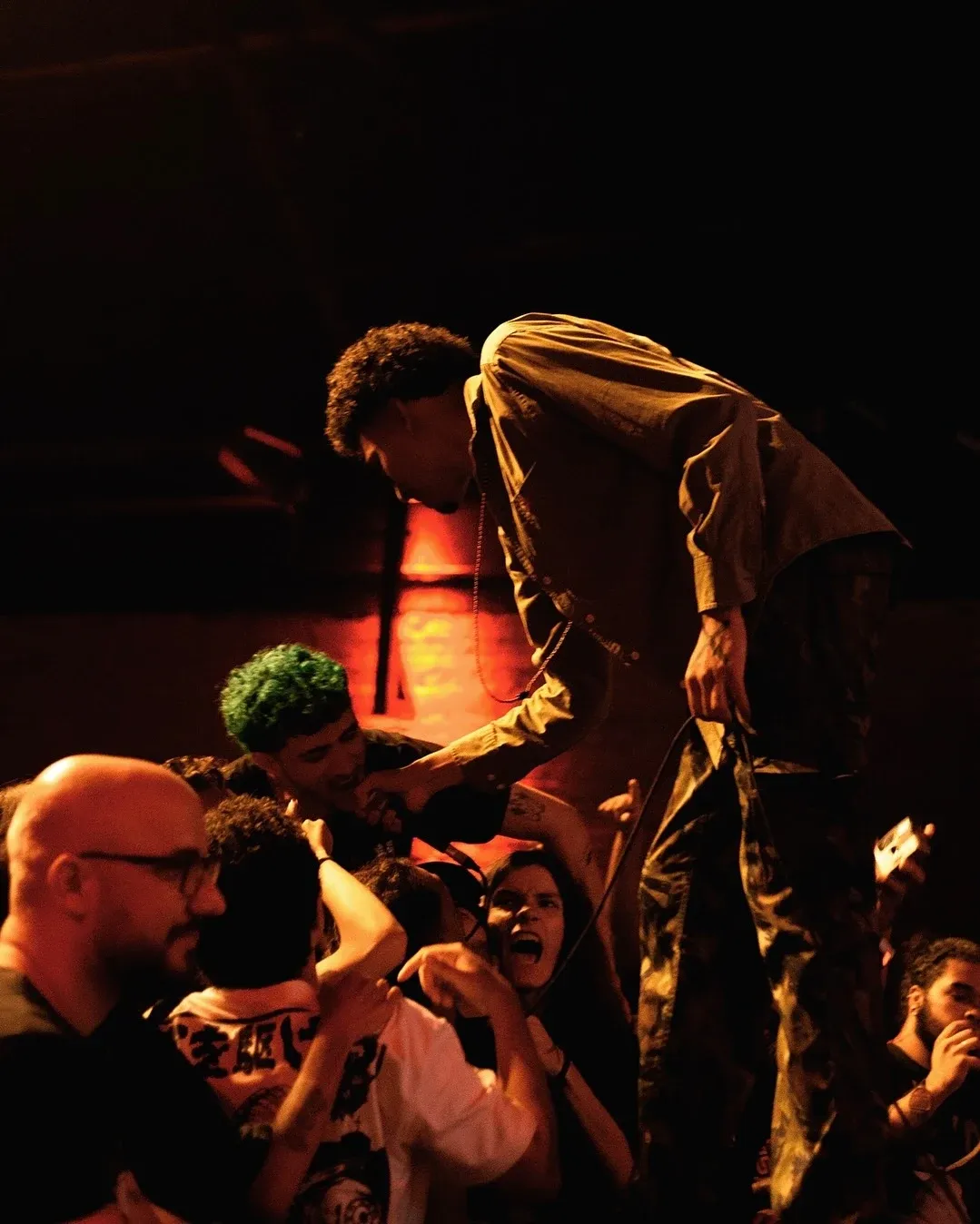
BTIC: First of all, thank you for taking the time to answer these questions! Really excited to have you guys on for the first ever interview in Beyond the Imperialcore E-Zine. I want to start by asking you to introduce yourselves, can you tell us a little bit about who Clava are? Who are the people behind the band?
Alex de la Rocha: I was born and raised in a neighborhood somewhere between the capital and the countryside of the state. My dad always listened to rap, and I used to listen with him, mainly Racionais MC's and Facção Central, two of the most influential political rap groups, which is a big trait of São Paulo's rap scene, and also Marcelo D2, a more laid-back rapper who talks about street life, recreational weed use, graffiti and hustling.
I got into rock as a teenager through some headbanger friends. When I discovered RATM and Ratos de Porão, my mind was blown and I started chasing that kind of raw energy. I found out about straight edge from a meme page on Twitter, looked into it and instantly connected. My family—like many Black families in Brazil—has a history with alcohol and drugs, and breaking that cycle of dependence and violence is what drove me to go straight edge.
I came across veganism while hanging out with punks, especially through Verdurada. I’d see photos of hardcore kids with Xs on their hands and styrofoam boxes full of vegan food under their arms. That image fascinated me, I saw that it was possible to be who I wanted to be. It’s funny how veganism within hardcore punk in Rio de Janeiro has been shrinking. Right now, I’m the only vegan straight edge person actively selling vegan food at shows. There are others who are either vegan or straight edge who cook, but I’m the only one consistently present at gigs.
I work as a bookseller. It’s not a requirement for the job, but I end up reading a lot and being exposed to many ideas, which influences my writing for the band. Japanese pop culture has always had a big influence on my life. Stories about heroes captivated me from a young age and still inspire me to be a better person. As I got older, I realized those weren’t just stories, they often reflect the contradictions we live with.
I’m also a street writer—I make zines and sell them on the street and outside museums and cultural centers.
Guilherme Kirk: Guitarist and one of the founding members of Clava, along with Alex and Vitor, our first drummer, back in 2020. Like many people from my generation, I got into rock because of MTV and Guitar Hero. Discovering Slipknot was a turning point, it made me want to understand what that sound was all about. So I started digging into everything chronologically: I went through Kiss, Iron Maiden, thrash, death, crust, grind, sludge, and black metal. It was through thrash that I discovered more political bands like Ratos de Porão and Fetus Humanóides, which had a huge influence on me and pulled me into hardcore punk. It was also through RDP that I first heard about straight edge, because their bassist Juninho played with Xs on his hands (and years later I found out he used to play in Point of No Return before joining Ratos).
On top of that, my home was always filled with music, mostly classical and MPB. Because of that, my parents put me in violin lessons when I was six. But as I got into heavier music during my teens, I started to hate the violin and wanted to learn guitar instead (to my parents' dismay). Eventually, I got mugged in downtown Rio and they stole my violin. Since we already had an acoustic guitar at home, my parents signed me up for guitar lessons, and eventually they got me an electric one.
During this whole process, I started going to punk and metal shows in the city, learned to play guitar, and formed my first bands with friends. These days, I play in Clava, Liträo (sludge/hardcore), and Últimos Diaz (hardcore).
Theo Ladany: My name is Theo Ladany, and I’m Clava’s bassist. Kirk and Alex invited me to join the band in 2022, after Alex saw a show of one of my other bands—and also because I’m straight edge too.
It was my dear dad who, to his current dismay, instilled in me my two biggest passions since I was a baby: rock music and Vasco da Gama. Since he played guitar, I started messing around with the instrument when I was five and have been fascinated ever since.
I’d say the bands that changed my life were Green Day, which I’ve been listening to since I was one year old (or so they say) Jimmy Eat World, and Minor Threat. That last one had a huge impact on me for introducing me to straight edge, a philosophy I’ve followed for basically all my adult life.
Watching a live video of At The Drive-In also hit me hard, ever since then, I’ve committed to always bringing that level of energy onstage, pushing myself to the edge physically. I started playing in bands when I was 17, founding a melodic hardcore group. Today, I sing and play guitar in Um Quarto ¼ (midwest emo) and LABRADOR (indie rock), and I play bass in Ventilador de Teto (indie) and Clava.
Guilherme Stephano: My name is Guilherme Stephano and I joined Clava in 2024 as a second guitarist.
I got into metal/hardcore thanks to early 2000s MTV and a few video games, especially Tony Hawk’s Pro Skater 3 and Guitar Hero, which I used to play on an arcade machine in downtown Rio, where I first heard Black Sabbath and Iron Maiden.
When I was ten, I sold my PS2 and bought my first guitar (a Memphis Stratocaster that wouldn’t stay in tune for anything). I learned everything I know pretty much by ear, trying to copy the guitarists I liked.
As I got older, I started forming small bands and projects with friends. During my teen years, I got more into niche bands and genres like sludge and hardcore.
These days, most of what I listen to is from smaller, local bands. I currently play in Clava, Liträo, and Últimos Diaz.
Marcos Soli: I’ve been a drummer for about 17 years and I’ve been playing with Clava since 2023. I joined the band at the invitation of Kirk, a great friend with whom I’ve played in past projects and with whom I also continue to play in another project of ours, a sludge band called Liträo.
Before Clava, my references in hardcore were practically nonexistent, just one or two bands I happened to know. My influences were actually shaped initially by hard rock and heavy metal, listening to bands like Queen, Led Zeppelin, Rush, Deep Purple, Rainbow, Judas Priest, and Iron Maiden. I got into the classics thanks to my mom, who is also a drummer, by the way, and has supported me since I was a kid in following this path. As I grew older and started playing with different people, I began exploring other branches of rock and metal and expanding my range of references, which gradually helped me build my own identity on the instrument.
Nowadays, in addition to Clava and Liträo, I also play in side projects called Magic Hour Blues and PH Mazza, and I do session work for other artists’ recordings.
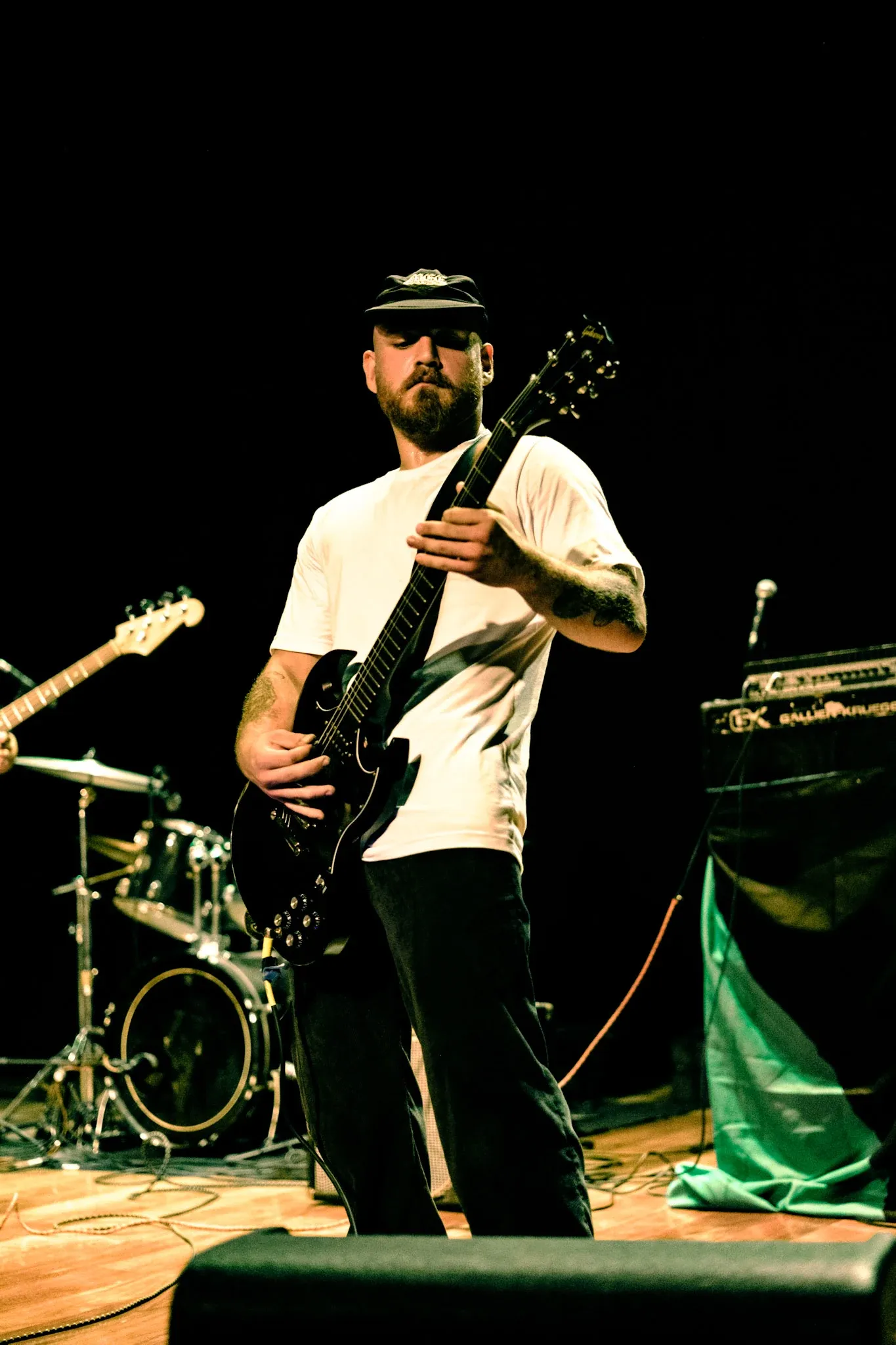
BTIC: You are based in Rio de Janeiro, Brazil. Can you talk a bit about the scene in your city and the Brazilian scene in general? When you observe the scenes in the US and in Europe, what is different?
Clava: None of us have ever had the chance to experience the scenes in the U.S. or Europe firsthand, but I think one key difference between the scene in Rio and those places is access to infrastructure. Over there, even smaller bands usually have more structure—they can get decent gear, rehearse regularly, and record with better conditions.
Here, everything ends up being more DIY and scrappy, whether it's recording music or organizing shows.
Another big difference is that touring in Europe or the U.S. is way more viable because of logistics, you can cross a country or hit multiple neighboring countries that already have support for independent shows.
In Brazil, especially once you’re outside the South-Southeast axis, things get way more complicated: transportation is expensive, distances are huge, and there’s very little money involved. Even touring within a single state can be tough. A lot of European countries are the size of our states, so playing in three different cities in Rio de Janeiro is basically like playing in three different countries in Europe.
On top of that, public transport here makes things even harder. Some people take two hours just to get to work, imagine doing that to get to a show.
Even with all that, what we see here is a massive amount of creativity and determination, because if those aren’t there, nothing happens.
BTIC: Coming back to the band, can you tell us a bit about how you started getting involved In the scene? How did Clava come together?
Alex: One day I went to a show of one of Kirk’s old thrash metal bands. A few months later, I saw him again at an emo gig and thought it was funny to see a headbanger there. Not long after that, I organized a graffiti jam in the favela where I live, and he showed up—it was his birthday, and he brought a few friends along (Stephano was one of them).
At the end of the day, I invited everyone over to my place, made a vegan cake, and we sang happy birthday to him.
Later on, Kirk stopped me at a street show to ask me about straight edge. Usually, when people asked me about it, they were thinking about becoming straight edge themselves, but most of the time they'd give it up quickly, so I never took those questions too seriously and would just give a generic answer.
Then a few months later, I saw him with an X on his hand. That was all a few months before he messaged me asking if I wanted to join a band. The only thing I could do was sing, and I’d never done that in my life.
Kirk: I became straight edge in 2020, and that same year I got a tattoo of a club (a clava) with Vitor, who became our first drummer. While we were getting tattooed, I joked about starting a straight edge band like Coke Bust, and a few weeks later, that actually happened.
I made a WhatsApp group and invited Alex, who I already knew from shows—he was always around selling zines or vegan burgers. I always thought his writing was amazing, and he went wild in the pit, which is basically all a hardcore vocalist really needs.
We started working on songs just the three of us, and at first, we wanted to be 100% Coke Bust/Carry On style — somewhere there’s a demo with 4 songs in that vibe that ended up in limbo. Over time we added more metalcore influences, and that led to the sound of our first EP, released in 2021.
In 2023, Vitor moved to Portugal, and our bassist at the time switched to drums. Then we invited Theo, from Um Quarto, to play bass — he was a friend that Alex knew from emo/melodic hardcore shows and was also straight edge.
Eventually, that drummer left too, and since we already had a bunch of shows booked, we asked Marcos (who produced Sudaméfrica) to fill in on drums. We decided it was more important to have a friend in the band than just look for someone strictly because they were straight edge.
We were never ultra militant about it, we’ve always focused more on broader political issues.
In 2024, we invited Guilherme from Liträo to play second guitar. He was already a friend and had been around since the beginning, he even did our first promo photos for the debut EP.
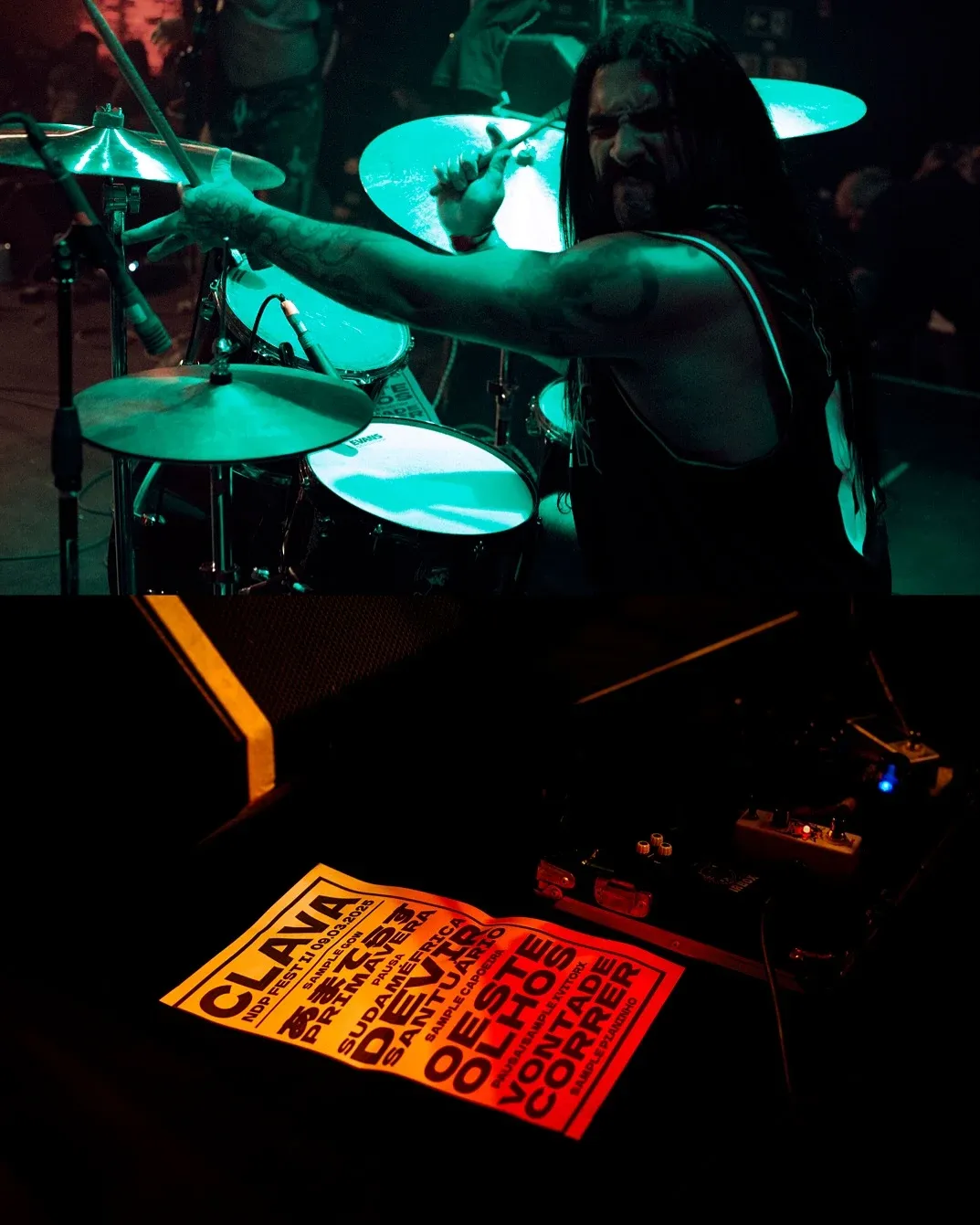
BTIC: What is the meaning behind the name "Clava"?
Clava: When we were thinking about a name, I noticed that our first drummer, Vitinho, and Kirk both had tattoos of a Morning Star, and Stephano — who is playing with us now as second guitarist—came to a rehearsal wearing a shirt with an illustration of a Morning Star. I felt like it was a sign that the band’s name should be that.
At the time, I thought the name of that weapon was Clava (a war club), and only after choosing that name did I find out it was actually called Morning Star.
I have to admit, I really like the Portuguese translation, "Estrela da Manhã."
BTIC: Before diving into some deeper topics, I want to get all the clichéd questions out of the way. What are your musical influences? Which bands and/or artists helped shape the musical aspect of your band?
Alex: I’m heavily influenced by contemporary Brazilian rap, I don’t listen to rap from other places because it doesn’t reflect my reality or my concerns, and I don’t really understand much of what they say. I’m also into Brazilian music in general, like samba, pagode, and MPB. We have some of the greatest writers, composers, and instrumentalists of all time. It’s no wonder they keep sampling us.
That said, it’s undeniable that the way Zack from RATM speaks, sings, and performs totally influences me.
From hardcore to Brazilian metal, Violator, I Shot Cyrus, Point of No Return, Confronto, Deathraiser, and Velho are among my favorites.
Believe it or not, I’ve never really listened much to Sepultura or Sarcófago. Haha, sorry guys! I’m discovering them now, there’s a lot I missed when I was younger. You can’t listen to everything, right?
From international bands, I love Inclination, Jesus Piece, Move, World Pleasure, and Vitamin X.
Kirk: Like I said, at the beginning my idea for the band was to be something between Coke Bust and Carry On. But at the time, I was listening a lot to newer bands that used a lot of panic chords, like Sanction, Chamber, and Inclination, so I ended up including those influences and it became a crazy mix of everything.
I think progressively I added more influences from gothencore, black metal, and emocore in general until we arrived at the sound of Sudaméfrica and more recently the EP Correr Pelo Céu.
BTIC: Things seem to be going well for the band, you are playing some relatively big shows in Brazil, sharing the stage with bands like Earth Crisis and the local legends, Point of No Return, who have been having a comeback (this past year). Can we expect to see you touring outside of Brazil anytime soon?
Clava: Sharing the stage with such important bands that we’ve listened to forever has literally been a dream come true for us.
[This year], we’re going to release a new album and we’re preparing to play abroad. We already have some invitations and tour offers, what we need most is more time, more than anything else.

BTIC: Brazil is a big country, the biggest in Latin America. And while most of us might have some general ideas about it, few people are educated about the current political situation, especially in the Western world. We know you had to suffer a far right presidency under Bolsonaro and the effects of it were devastating for the society, the ecology and the indigenous communities who had already been struggling against colonial violence. What can you say about the situation now? Do you see any progress being made whatsoever in the current, post-Bolsonaro political climate?
Clava: Unfortunately, the current government is a social democratic one, leaning on leftist proposals and a tradition of the left. It is the most left-wing major party we have, but it has made neoliberal decisions and is known for being a class conciliator government. Since President Lula’s first term in 2002, the PT (Workers’ Party) has increasingly moved away from traditional leftist practices such as street demonstrations, protests, strikes, and political education, instead playing the “game of thrones” to defend its positions within institutional politics.
We now have a Minister of Indigenous Rights who is Indigenous herself, Sônia Guajajara, an important leader. However, land demarcations have been very few. In Rio de Janeiro itself, there is a historic indigenous village under threat, the Aldeia Maracanã, which is not yet a parking lot for the Maracanã football stadium thanks only to the historical resistance of the Indigenous people living there. It is a village right in the middle of the city that carries out many cultural, artistic, and traditional activities but still lacks federal support. This is just one case we follow closely.
We also need to demarcate more Quilombola* lands. Agribusiness continues to earn millions in tax exemptions and agricultural subsidies, we are still bombarded by pesticides, and family farming keeps resisting and remains an alternative. One group fighting for change in the countryside is the MST (Landless Workers’ Movement), which has been Latin America’s largest organic rice producer for years.
There are many groups and organizations dedicated to fighting for a dignified life, but it is impossible to win this struggle without also fighting the barons of capital. Climate change is now being tackled institutionally but remains a huge challenge due to the size of regions suffering from fires and illegal mining. Large landowners and producers keep investing in monoculture food exports. Brazil today is the world’s breadbasket. We feed you while thousands of people here suffer from food insecurity.
*Quilombos are communities similar to Indigenous villages, but formed by Black people. The first quilombos were established during the slavery period, and one of the largest lasted about 100 years, resisting and offering an alternative socio-economic way of life to the capitalism that was emerging. Because of this, it was heavily persecuted and destroyed. How to sustain a society that does not live by profit but by collective work and shared production in the heart of Brazil? This was Quilombo dos Palmares, led by many people including a historic hero of the Brazilian Black people, Zumbi dos Palmares. There is a Brazilian artist who portrays this period in some comic books, Marcelo D'Salete. His work is being published outside Brazil and has won several awards.
BTIC: Ever since the release of your 2021 demo EP, Declaração de Guerra dos Condenados da Terra, you have made unapologetically clear what your influences are for the message of your band. The lyrics are a further testament to this, as the writings of Fanon and other radical black and/or decolonial thinkers give life to the songs in the demo EP and beyond. Can you tell us a little bit about these influences and how it relates to your lived experiences?
Alex: Everything I write is intrinsic to who I am and the world I believe should be better.
Reading Fanon helped me understand the discomfort I felt when looking at myself in the mirror.
I like how, often, (Achille) Mbembe’s work is poetic.
Lélia Gonzalez brought incredible reflections on the Black reality in Brazil.
Eduardo Galeano consolidates in my heart the literary legacy I want to leave behind.
Ursula K. Le Guin helps me not only understand where I want to go but also imagine the difficulties I might face, and to face those problems with realism.
I’m very grateful for the legacy these writers have left, sometimes a legacy of interpreting the problems of this world, and other times of changing it, which makes me more convinced of my duty to imagine new worlds and fight to make them real.
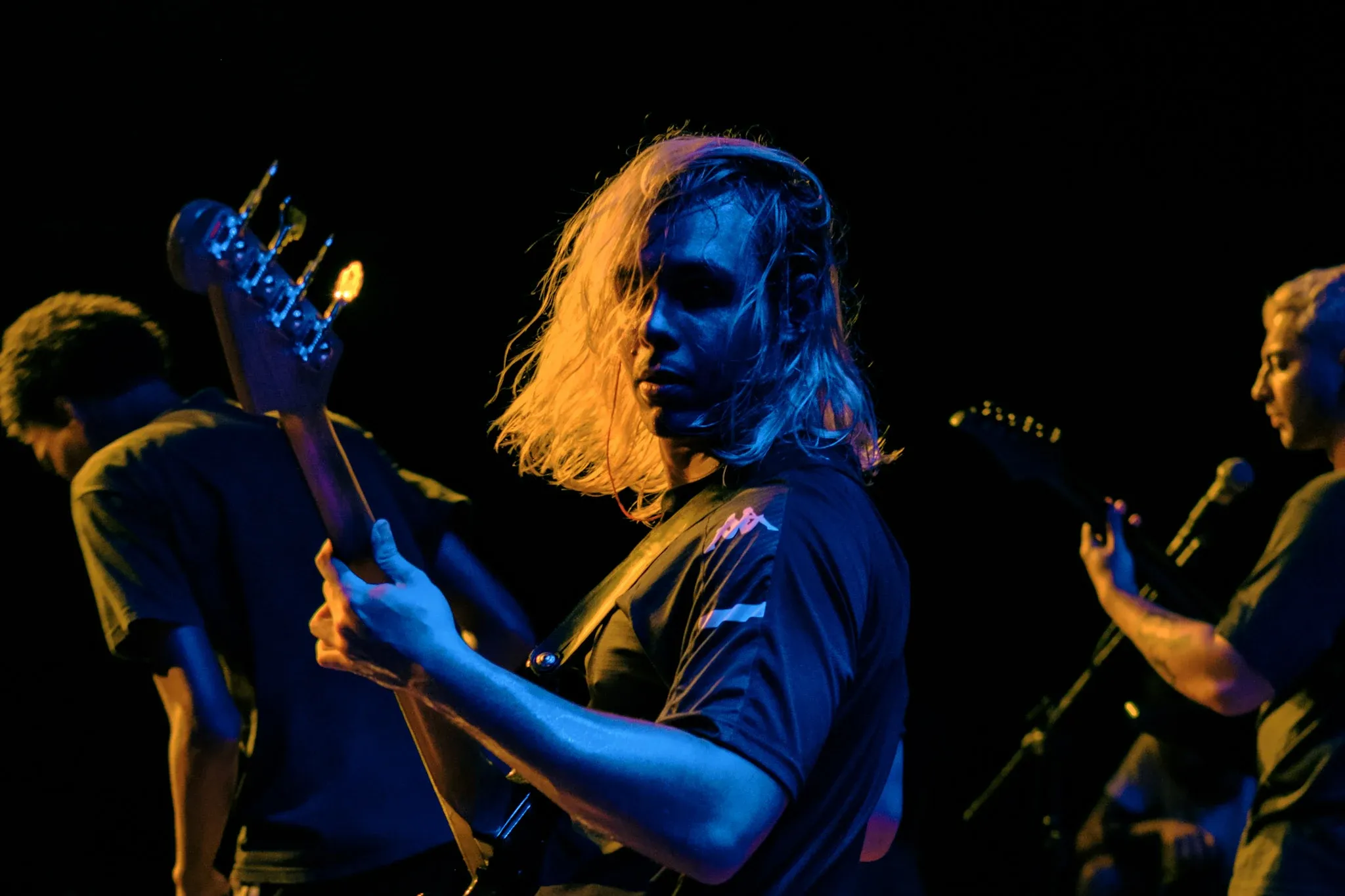
BTIC: Your 2022 album titled Sudaméfrica (an amalgamation of Portuguese words for South America and Africa) pays homage to the decolonial struggles around the world, while also dealing with the Latin American reality, with the title track maintaining a discourse around how the colonial legacy still persists in Brazil, as "the West" casts a long shadow. I find the title "Sufaméfrica" really interesting. Can you tell us about why you chose that title and how the intersection of black and Latin American identities informs your worldview?
Alex: The Sudaméfrica identity is a distant desire for a united and unified Latin America. Our barriers are many, and language is one of the main obstacles isolating Brazil in particular. Joaquín Torres García painted an inverted Latin American flag that perfectly conveys this feeling: we must find our own path by abandoning and inverting colonial traditions.
To all the sisters and brothers of Latin, Central, and North America: I wish to seek a united struggle so that we can strengthen ourselves intellectually, geographically, economically, and culturally. May we tear down the walls that separate us and see in each other a plural and diverse identity that makes us who we are, everything we want and can be.
BTIC: In addition to your visible stance against colonialism and its lasting legacies, you also adopt an anti-narcotic and pro-animal liberation message. My first question is: What made you adopt a straight edge perspective? What is the role of drug trade in Brazilian society and do you think the ruling class and the imperial countries benefit from it? And secondly I want to ask: How do you think animal liberation and aforementioned issues are interconnected? How do you think an anti-colonial/decolonial stance can be extended to non-human animals?
Alex: We are in favor of drug decriminalization so that drugs are treated as a public health issue rather than a public security one. By this, we mean that we need investment and health professionals working on harm reduction and controlling drug use. Scientifically, it has been proven that those who suffer the most from drug abuse are marginalized and impoverished people. Drugs numb the pain of living, especially within our reality.
In Rio de Janeiro, most of the population lives very far from their jobs, often facing an average commute of two hours just to get to work, and the same amount to return home, by bus or train. I used to live in a neighborhood that was a one-hour and forty-minute train ride from downtown Rio. Since many operational jobs are concentrated downtown and in the South Zone, it was another 30 to 40 minutes to get there. It’s truly a daily struggle to survive.
Many people end up turning to drugs to numb some of the pain caused by working so hard for so little.
So why adopt a straight edge perspective in my life? Because I’ve already lost family members and friends to drug trafficking—both users and dealers—who died cruel deaths. My family has a history of alcoholism and many painful stories because of it. I wanted to break this cycle of violence individually, and straight edge gave me that possibility, but the problem persists in other families, and straight edge alone can’t solve it.
Regarding veganism, since I was a child I’ve felt a deep compassion for animals. I never liked killing animals or seeing them suffer. Once, as a child, I saw a chicken being killed and its blood being used as part of the broth. I couldn’t eat that meal, and a decade later I decided never to eat any animal again. I made this decision living in [Baixada Fluminense], a neighborhood far from the city center, almost the countryside of the state. There, even today, veganism is something people only hear about online. There are no restaurants openly offering vegan options, no adapted dishes like vegan pizzas, burgers, or ice cream.
It’s also important to remember that this neighborhood is proletarian, where people have always worked hard just to have basic food security and the comfort of owning a home (which is why so many live far from downtown). Until recently, eating meat was a luxury—something only the rich, the bourgeoisie, could afford. I grew up in a family where having meat to eat was not only a source of pride but a sign of plenty. My grandparents and great-grandparents couldn’t always provide meat for their children, and when they could, it was once a week.
Here, unlike many places in the world, it’s common for middle-class families to have domestic workers. My mother was one for a long time. The routine of a domestic worker was literally the routine of an enslaved person. They have to do everything in their employers’ homes: cooking, washing and ironing clothes, cleaning the house, and whatever else you can imagine. Things have improved a bit in recent years with the Domestic Workers’ Law, which guarantees paid vacations and labor rights and ended the 24-hour workday.
As a child, on weekends and during holidays, I would go to the apartment of one of my mother’s many employers. We would sleep in a tiny room, typical of last century’s urban-colonial architecture. My mother was at her employer’s disposal all day long, and sometimes she had to double or triple shifts, staying 2 or 3 days straight at their house. Since she was the one cooking, she saw what people ate, so it’s only natural to want to offer something similar to your family, as that reality is the only reference for success and well-being you have.
So how do we tell millions of families in Brazil—especially Black families who have had similar realities—that veganism is a possible and dignified path, when our matriarchs fought so hard to feed us?
Changing this mindset is a challenge we who fight for popular veganism face every day.
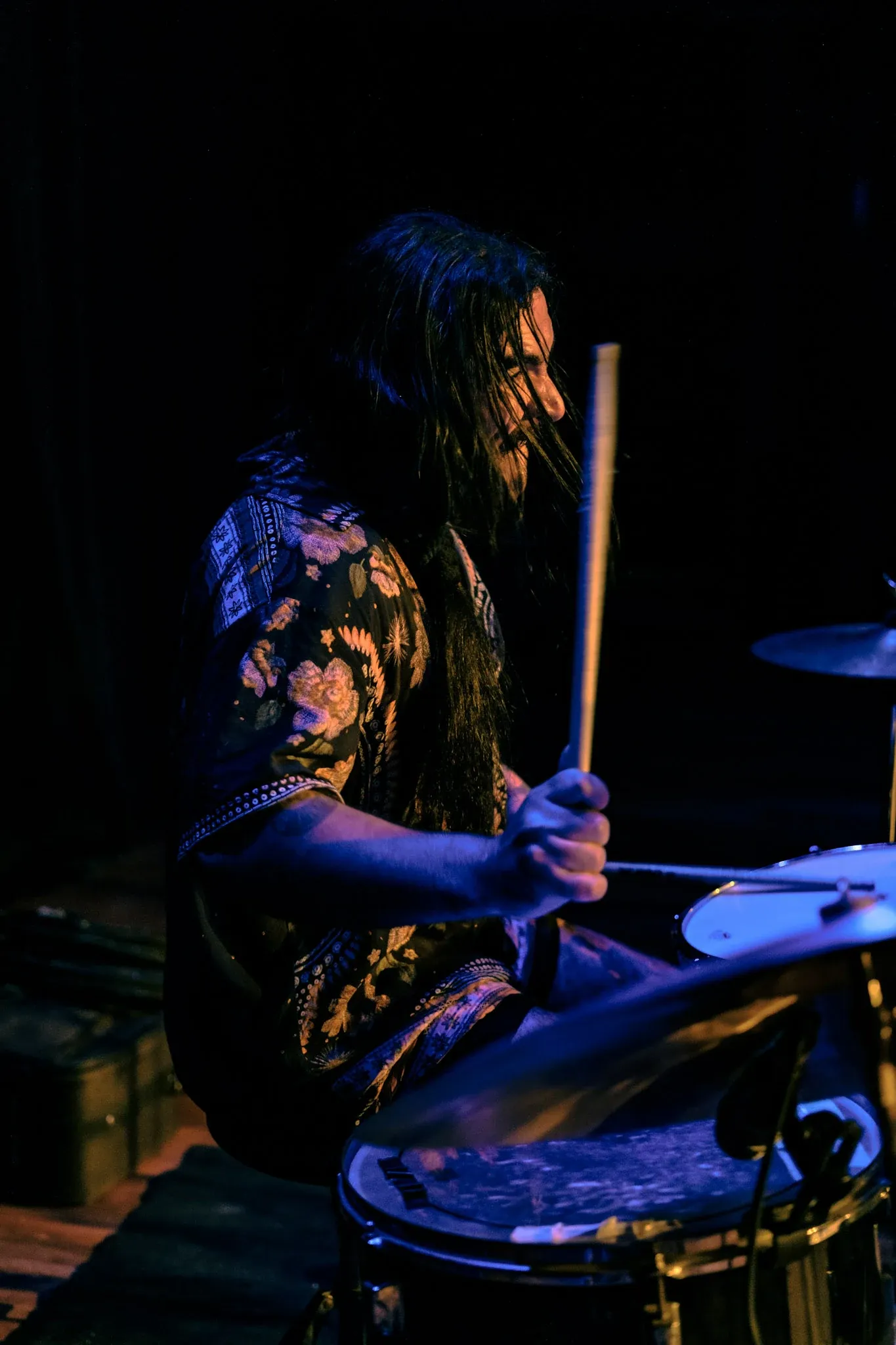
BTIC: Your lyrics are in Portuguese. What do you think is the importance of using languages that tie you to your locality in a world—and a scene—dominated by the English language and do you think it creates a disconnect between that said locality and the people from the international punk/hardcore scene who encounter your music?
Alex: Writing and singing in Portuguese, besides being politically important and allowing us to connect more deeply with our local audience, values our language. We Brazilians joke that there’s no translation for the word saudades in English. Of course, every language has unique words and expressions.
Because I read a lot, especially Brazilian literature, I often use words and structures that are considered formal and cultured. I find it really fun and challenging to write for Clava. Sometimes I need to explain to the guys what some things mean, like “tergiverse,” a word I find so beautiful and first heard in 2023.
“Olhos Oblíquos” comes from a book called Dom Casmurro by Machado de Assis, when a character talks about another. “Those gypsy eyes, oblique and dissimulated” is a famous passage from this book. The book is still widely debated today because for many decades it was assumed that Capitu betrayed Bentinho. After feminist readings, the narrator’s reliability is questioned since he (Bentinho) is a jealous and manipulative man.
Machado is considered Brazil’s greatest writer of all time, and it’s curious how he’s been translated less internationally than Paulo Coelho, who fans of “high” literature don’t read.
Finally, we are used to watching subtitled movies and appreciating the sound of other languages. Erasing plurality is a colonizer’s move. Unfortunately, many bands choose to sing in English aiming for a global market, while others think it’s easier to write that way after hearing so many bands singing in English. Americans think they produce the best music in the world. We will never surrender to that American dream.
BTIC: Japanese anime and manga culture obviously has a huge influence on your band. From the Berserk artwork as the cover of the first EP to the Dragon Ball references in your latest release Correr Pelo Céu, it's no secret that you incorporate it to your band's imagery. Can you explain a bit what it means to you and how it aligns with the message of your band?
Alex: The first time I went to an anime event, I saw another Black kid. He was taking a photo with a huge smile while wearing a Head bucket (from the character in Bleach). That smile has never left my mind. I was a young Black teenager who was seen as strange even among nerds, and that kid, whom I never saw again, made me feel more comfortable being who I was and liking what I liked.
Once, when I was doing cosplay, someone looked at me and said my skin tone didn’t match the character—I’m darker than him.
This shows how Black people are excluded from the playful, theatrical, and performative process of being, for a few hours, who we love the most. This identification isn’t because we look like the characters, but because of a deeper connection with their identity, feeling that who they are represents us or that we want to be like them (brave, strong, fighting for their dreams). Our right to play is denied when our skin color is used to delegitimize our relationship with the character we want to be.
That said, the idea to use Guts from Berserk came first as an aesthetic choice and because it’s something present in our lives, we grew up watching anime, reading manga, playing games; and second as a way to validate that dissident bodies have the right to be otakus, nerds, and all forms of eccentricity.
There’s also the political reading of these works. Guts is a character with a dark skin tone, while the main villain has a light skin tone, completely reversing the artistic tradition that determines which color represents good and evil. I also use this in the lyrics, creating metaphors that exalt Blackness as something positive, while whiteness is depicted as negative. Nuestro norte es el sur.
I confess I should have thought to ask the artist, Atópico, to draw Trunks with dreads and Black phenotypes back then. Maybe in the future… But metaphorically, he represents someone who comes from the future to warn of a great danger. We read that danger as imperialism.
“Correr pelo céu” [From their 2024 promo EP of the same name] is a cover of the Brazilian version of the Dragon Ball Z opening, and like every Latin American, DBZ was a huge part of our childhood. That song was supposed to be a light moment in the shows, but many people told us they had never seen anything so political in the lyrics, nor so beautiful.
The chorus says:
“Liberdade é correr pelo céu”
— Freedom is running through the sky.
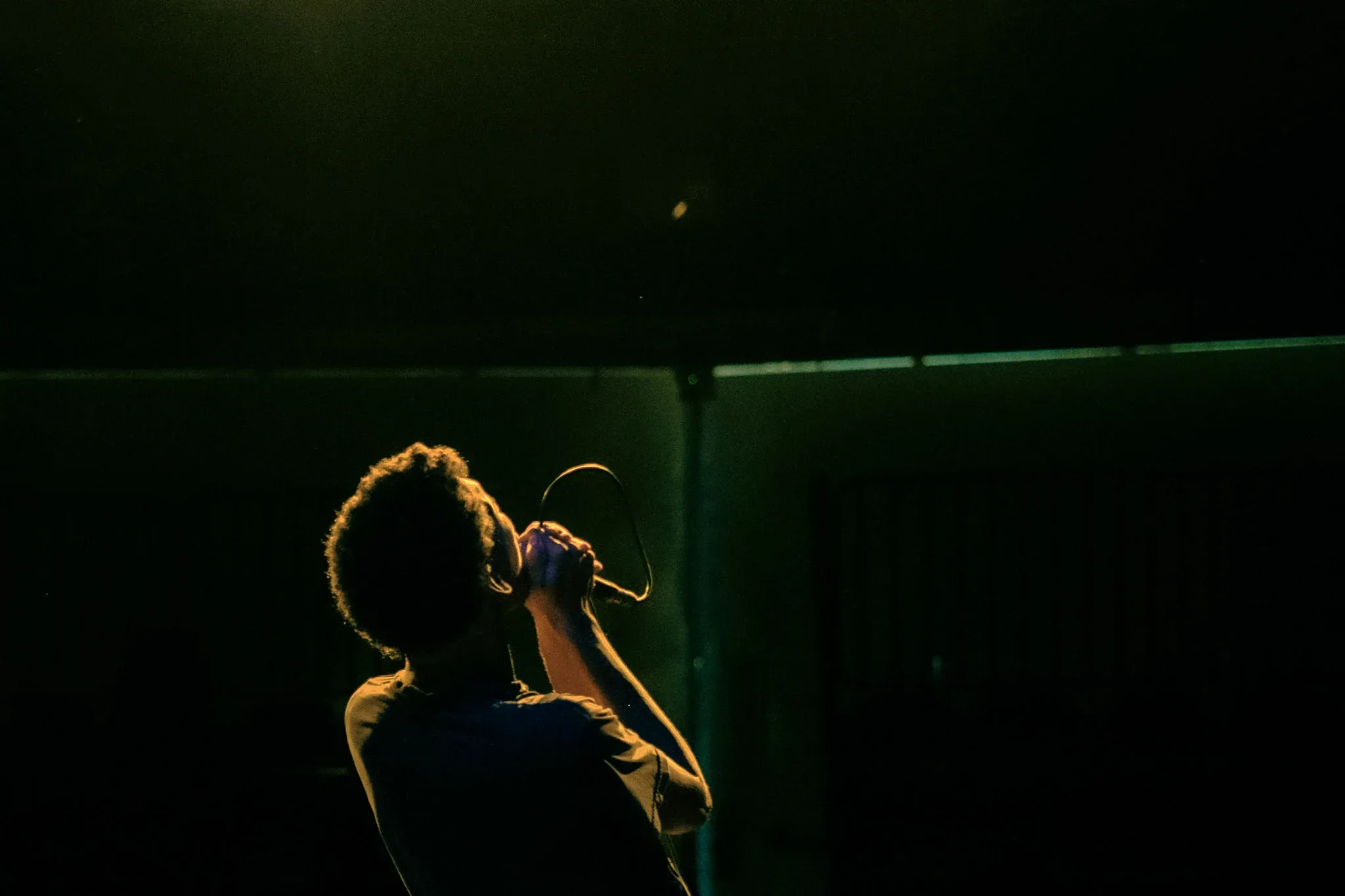
BTIC: What are you reading nowadays? Can you give us some reading recommendations (books, articles, etc.)?
Alex: What I read the most are manga. Right now, I’m reading Tenjho Tenge and I’m eager to reread GTO. My all-time favorite manga is Slam Dunk, and I really enjoy reading delinquent youth stories.
I also love Brazilian literature — Machado de Assis is a must-read for anyone who wants to understand what we’ve been creating, and the book behind the cult film City of God holds a special place in my heart.
Politically, there’s an author named Lélia Gonzalez who is extremely important. When Angela Davis last came to Brazil, she said she learned more reading Lélia than we could learn reading her. Besides Lélia, Clóvis Moura, Guerreiro Ramos, and Carla Akotirene are fundamental authors to understand the paths of racialized identity in Brazil.
Ursula K. Le Guin is a writer who greatly influences how I concretely imagine new worlds.
I believe reading books is a way to read the world and reality, but watching movies, playing games, and listening to music are too. Since orality is inherently important to the African diaspora and its descendants, the pretos-velhos (old-black-men) of samba and MPB are essential: Cartola, Candeia, Milton Nascimento, Arlindo Cruz, Jorge Aragão, Martinho da Vila, Paulinho da Viola, Leci Brandão, Nelson Cavaquinho, Di Melo, Emílio Santiago, the magnificent Dona Ivone Lara, the immortal Fundo de Quintal…
If you’re reading this, listen immediately to “Saigon” by Emílio Santiago, “O Mundo é um Moinho” by Cartola, or any live song by Fundo de Quintal.
The Brazilian Black tradition found in the defense of joy, love, and celebration — best known through Carnival—a political tool for resistance.
BTIC: Thank you again for your well thought answers! Is there anything else you wish to add?
Alex: Thank you for your patience! And especially thank you for the questions — they were crafted with so much attention to what we do, with such care and affection, that it was extremely rewarding to answer them. This was our best interview. I tried to be brief in my responses and had to reflect on them for a few days, but some topics are truly complex and could fill an entire zine for a more complete answer.
That’s why I don’t expect only to answer your questions but to also bring more questions about who we are and what we live. If anyone reading this becomes curious to know more about any topic, please contact us. Interview us. It will be a pleasure to talk with you.
Some parts of this are very personal, but the political being that I am was forged through these experiences. As Racionais MCs say in “Negro Drama”:
Eu não li, eu não assisti, eu vivo o negro drama.
Eu sou o negro drama.
Eu sou fruto do negro drama.
I didn’t read it, I didn’t watch it, I live the Black drama.
I am the Black drama.
I am the product of the Black drama.
O sol há de brilhar, O sul há de apontar, O suor há de molhar, Nossa tez, nosso lar.
The sun will surely shine,The south will surely rise, The sweat will surely wet, Our skin, our home.